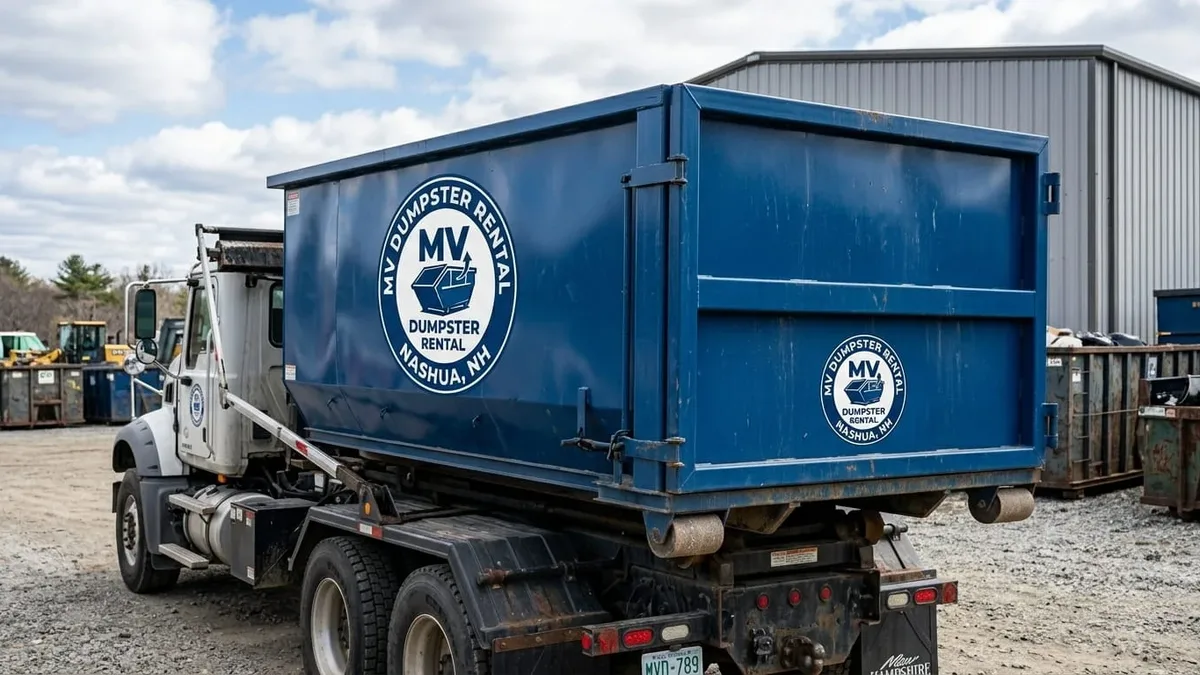
If you found this page, there’s a good chance you’re in the middle of something hard — sorting through a parent’s house after a loss, or helping a loved one downsize into care and figuring out what happens to a lifetime of belongings. There’s no need to rush any of it, and there’s no version of an estate cleanout that’s purely mechanical. What follows is meant to take the logistics off your plate — sizing, timing, what to expect — so your energy can go toward the parts of this that actually need it.
Take This in Stages if That’s What You Need
An estate cleanout doesn’t have to happen in one exhausting weekend, and for most families it shouldn’t. It’s common to work through a house room by room over several visits — setting aside what matters, deciding what family wants, what gets donated, and only then dealing with what’s left. We build flexibility into our rental period specifically because this kind of project rarely moves in a straight line. If you need the container to sit for a while as you work through things at your own pace, say so when you book, and we’ll set expectations accordingly rather than pushing you toward a pickup date that doesn’t fit your family’s timeline.
Sizing: What Actually Comes Out of a Whole House
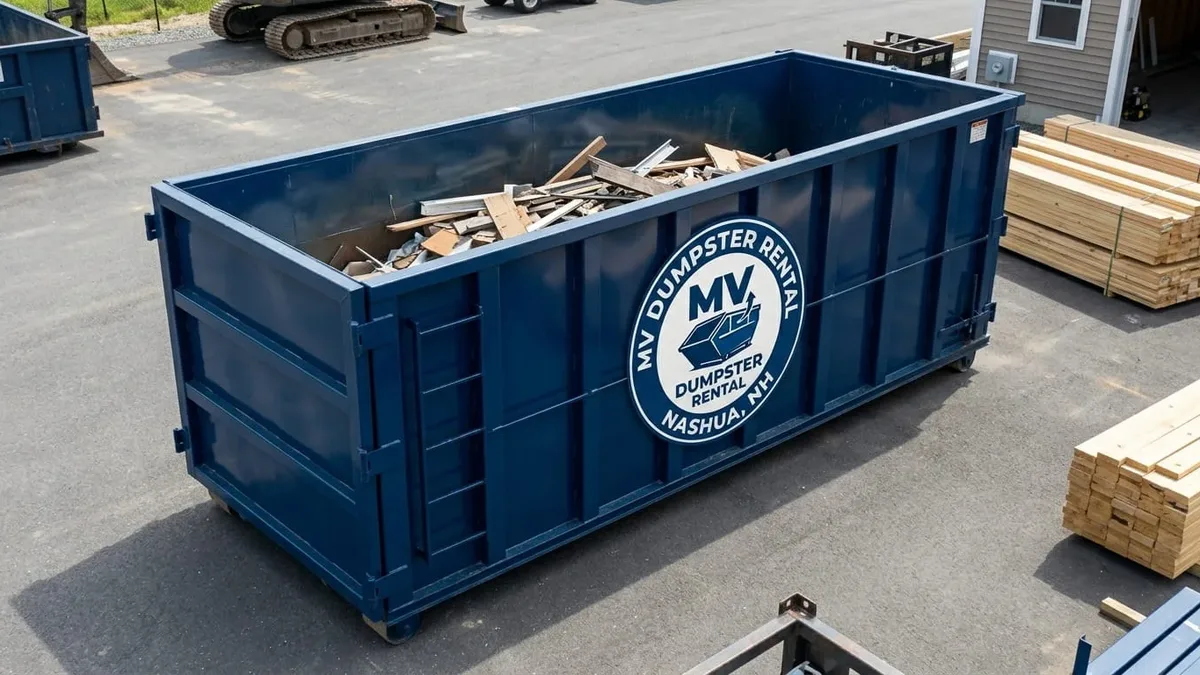
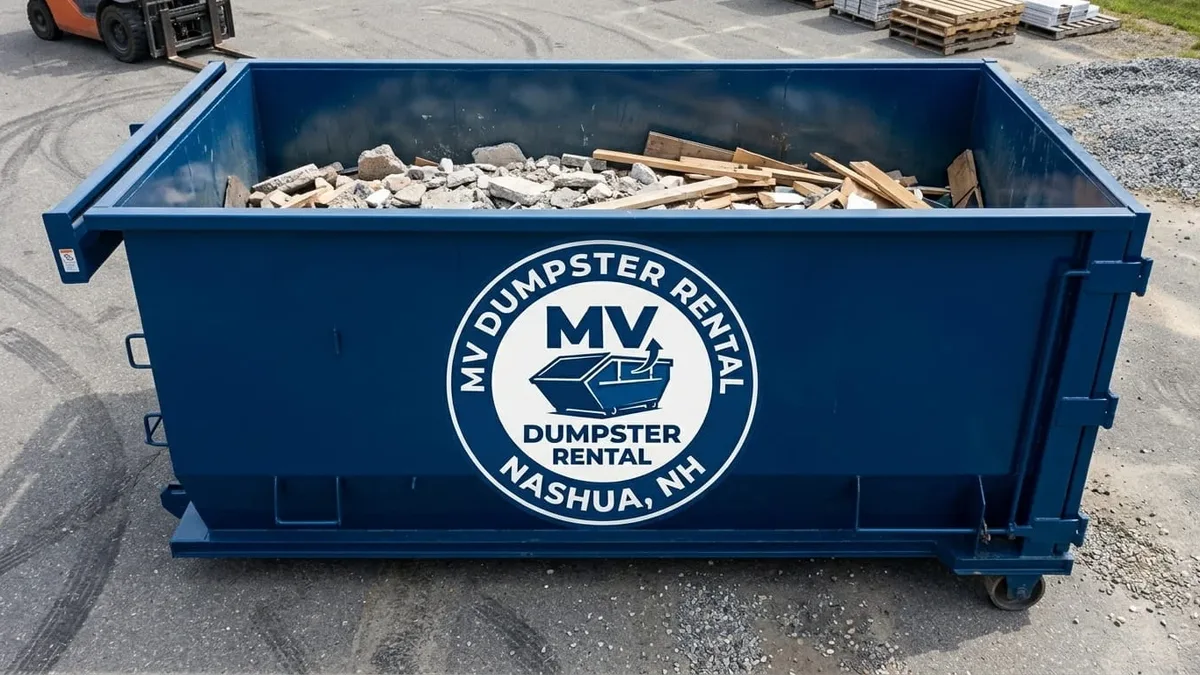
Most whole-house estate cleanouts around Nashua land comfortably in the 20 to 30-yard range, though the right size depends more on how much is left after sorting than on the size of the house itself. A 20-yard dumpster is usually enough for a smaller home, an apartment, or a cleanout where a good share of the belongings are being donated or kept by family rather than discarded. A 30-yard dumpster tends to fit larger homes, houses that have accumulated decades of belongings, or situations where furniture, old carpet, and general household volume add up faster than expected — more common than people usually anticipate going in. If you’re not sure, describe the home on the phone — number of rooms, roughly how full it is — and we’ll suggest a size instead of leaving you to guess. Our general sizing guide covers the full lineup if you want more detail.
What Typically Needs Sorting
Every estate is different, but a few categories come up in nearly every cleanout, and it helps to have them on your radar early rather than discovering them mid-project:
- Furniture, mattresses, and general household goods — these make up most of what goes in the container without any special handling.
- Older TVs and computer equipment — New Hampshire bars any screen over 4 inches diagonal, along with computer CPUs, from ordinary landfill or incinerator disposal, so these can’t just go in with the rest of the load. Our recycling guide covers where those actually go.
- Rechargeable lithium-ion batteries — laptops, cordless tools, and other battery packs found around the house fall under New Hampshire’s statewide ban on disposing of these in the trash, effective July 1, 2025. Pull them aside; they need a certified recycler or a drop-off point, not the dumpster.
- Papers, photographs, and personal keepsakes — worth pulling aside early and going through separately, since they’re easy to lose track of once general cleanout momentum picks up.
- Items with real donation value — furniture in good condition, clothing, housewares — that a local donation center could use if there’s time to route them that way instead of the dumpster.
None of this needs to be sorted perfectly before we deliver the container. It’s just easier on everyone if the electronics and batteries get pulled aside as their own small pile rather than mixed into general debris, since those two categories need a different path than the rest of the load.
Working Around the Legal Side
For a lot of families, the cleanout doesn’t happen in isolation — it runs alongside New Hampshire’s own probate process, which has its own pace and its own paperwork. That timeline is worth keeping in mind when you plan the physical cleanout: some families wait until an estate is further along before clearing the house, while others start sorting and donating early and simply hold off on selling or fully vacating the property until the legal side catches up. Either approach is fine from our end — we’re not tied to a probate calendar, and we’d rather schedule the dumpster around your family’s actual readiness than around an arbitrary date. If an attorney or executor needs certain paperwork or records left in place a bit longer, just let us know and we’ll work the delivery and pickup dates around that.
Placement Is Usually the Easy Part
For most estate cleanouts, the container sits on the driveway for the duration of the project, which means no permit is required at all — that holds true across Nashua and every other community in our service area. If the property doesn’t have driveway room and street placement becomes the only option, that can bring a permit into the picture. Inside Nashua city limits, street obstruction permits run through the city’s Board of Public Works; every other town we serve, in New Hampshire or Massachusetts, handles its own street permitting through its own select board or public works office rather than a county. Mention it to us on the call so we can flag it before delivery day rather than after — and for more detail, our permit guide breaks it down by jurisdiction.
Winter Cleanouts Take a Little Extra Planning
If a cleanout falls in the winter months, build in a little extra scheduling flexibility. Ice storms and nor’easters are a real seasonal risk here — the December 2008 ice storm, the most severe on record for New Hampshire, left more than 400,000 customers without power statewide and took over two weeks to fully restore in some areas. That kind of event is rare, but a smaller version of it — icy driveways, a delayed pickup, a storm that pushes a delivery date back a day or two — is common enough that it’s worth asking us about when you book a winter cleanout. Our ice storm guide covers seasonal scheduling in more detail.
It’s Fine to Ask Family for Help Sorting
Estate cleanouts often fall on one person by default — the sibling who lives closest, or the one who ended up as executor — even when the belongings and the decisions really involve the whole family. If it’s possible, it can help to loop others in early, even just to agree on what stays, what goes to donation, and what gets shared out, before the bulk of the sorting begins. That’s not a logistics point so much as a practical one: decisions made together tend to sit easier afterward than decisions made alone under time pressure. None of that changes anything about how we handle the dumpster rental itself, but it’s worth factoring into your own timeline before locking in a delivery date.
When You’re Ready
Whenever you’re ready to move forward — whether that’s today or a few weeks from now — we’re glad to talk it through, quietly and without pressure to decide on the spot. Call us at (603) 704-3257 and describe the home and roughly where things stand, and we’ll help you figure out sizing and timing at whatever pace fits. Our estate cleanout service is built specifically around projects like this one, and our junk removal service is worth a look too if you’d rather have a crew handle the hauling directly. Take the time this needs — we’ll be here when you’re ready.